
In 2026, many JGO authors make outstanding contributions to our journal. Their articles published with us have received very well feedback in the field and stimulate a lot of discussions and new insights among the peers.
Hereby, we would like to highlight some of our outstanding authors who have been making immense efforts in their research fields, with a brief interview of their unique perspective and insightful view as authors.
Outstanding Authors (2026)
Krittiya Korphaisarn, Mahidol University, Thailand
Elisa Giovannetti, Amsterdam University Medical Centers, The Netherlands
Stephanie Rosenberg, The University of New Mexico in Albuquerque, New Mexico
Justin C. Brown, AdventHealth, USA
Clare Anderson, Northwestern University, USA
Da Wei Thong, St John of God Midland Hospital, Australia
Kenneth H. Yu, Memorial Sloan Kettering Cancer Center, USA
Koji Takahashi, Eastern Chiba Medical Center, Japan
Outstanding Author
Krittiya Korphaisarn

Dr. Krittiya Korphaisarn, MD, is an Associate Professor at the Faculty of Medicine, Siriraj Hospital, Mahidol University, Bangkok, Thailand. She graduated with First-Class Honors in Medicine from Mahidol University and completed her training in Internal Medicine and Medical Oncology at Siriraj Hospital. She further advanced her research as a visiting scientist at The University of Texas MD Anderson Cancer Center. She specializes in gastrointestinal and thoracic malignancies, with a strong focus on translational research and precision oncology. She has served as principal investigator in numerous international phase I–III clinical trials and has published extensively in peer-reviewed journals. She is actively involved in international collaborations and contributes to clinical guideline development. Her work aims to improve cancer treatment and patient outcomes through evidence-based research.
Dr. Korphaisarn believes academic writing matters because it is how researchers share scientific knowledge in a clear and trustworthy way. It lets researchers communicate their findings, get feedback through peer review, and build on what is already known. In medicine, it is especially important because it can directly impact patient care—clinicians rely on published research to make informed decisions. Good academic writing also helps ensure transparency, so studies can be checked and repeated, which is key to keeping science reliable and moving forward.
In Dr. Korphaisarn’s view, a good academic author is curious, disciplined, and always willing to learn. Curiosity drives meaningful research questions, while discipline keeps the work moving forward. Critical thinking and analytical skills are crucial for interpreting data and reaching solid conclusions. Being able to explain complex ideas clearly is just as important. Integrity forms the backbone of all research, and resilience helps authors take feedback in stride and improve their work.
“Balancing clinical work, research, and writing can be really challenging. For me, good time management and prioritizing tasks are essential. I try to set aside dedicated writing time, often during quieter moments on weekends. Breaking the process into smaller steps—like outlining, drafting, and revising—makes it feel more manageable. Collaborating with colleagues and research teams also helps share the workload. Even small, consistent progress each day adds up, allowing manuscripts to move forward despite a busy schedule,” says Dr. Korphaisarn.
(by Sasa Zhu, Brad Li)
Elisa Giovannetti

Prof. Elisa Giovannetti, MD, PhD, works at Amsterdam University Medical Centers (Vrije Universiteit Amsterdam, The Netherlands) and the Fondazione Pisana per la Scienza (Pisa, Italy). Her research focuses on pharmacology and translational oncology, with particular emphasis on (epi)genetic determinants of drug activity and resistance. She investigates molecular mechanisms underlying chemoresistance in pancreatic and lung cancer, integrating pharmacogenetics with innovative approaches such as liquid biopsies. She is actively involved in international collaborations, including the EORTC Pharmacology and Molecular Mechanisms (PAMM) Group. She has supervised 20 PhD graduates and currently mentors 15 PhD candidates and 2 postdoctoral researchers. She has secured major national and international funding, including grants from Horizon-MSCA, AIRC, NWO, and the Dutch Cancer Society (KWF), and has authored over 450 peer-reviewed publications (H-index 78). She serves on multiple editorial boards and international research networks.
JGO: What are the most commonly encountered difficulties in academic writing?
Dr. Giovannetti: From my perspective as a professor, researchers most commonly struggle not with language per se, but with clarity, focus, and positioning of their work. A frequent difficulty is defining a sharp research question and maintaining a coherent narrative throughout the manuscript, especially when dealing with complex, multidisciplinary data. Another key challenge is achieving the right balance between description and critical interpretation. Even experienced researchers may present results thoroughly but fall short in articulating their broader significance, novelty, and impact within the field. Positioning the study in the context of existing literature can also often be suboptimal, either being too superficial or excessively detailed without a clear synthesis.
JGO: Being a scientist or doctor carries significant responsibilities. How do you find time to write papers?
Dr. Giovannetti: Writing papers is not something that happens spontaneously: it requires deliberate planning and protection of time. The main strategy is to treat writing as a priority, not as an activity to be done “when everything else is finished,” because that moment never truly comes. I typically allocate dedicated, uninterrupted time slots for writing, often late in the day when my focus is highest. However, even short but consistent sessions can be very productive if they are protected from meetings and administrative tasks. Equally important is integrating writing into the research workflow. Drafting sections in parallel with ongoing projects, rather than waiting for all results to be finalized, reduces the burden and accelerates the process. Finally, I rely on strong collaboration within the team. Distributing writing tasks, mentoring junior researchers, and maintaining continuous revision cycles make the process more efficient and sustainable despite the many demands of research and academic life.
JGO: Do you think it is important for authors to follow reporting guidelines when preparing manuscripts?
Dr. Giovannetti: Absolutely, following reporting guidelines such as STROBE, CONSORT, PRISMA, STARD, and CARE is essential from an author’s perspective. These frameworks are not merely formal requirements; they significantly improve the quality, transparency, and reproducibility of research. They help ensure that all critical methodological details are clearly reported, allowing readers, reviewers, and other researchers to properly assess the validity and robustness of the study. This is particularly important in complex biomedical research, where incomplete reporting can limit interpretation or reproducibility. Moreover, adhering to these guidelines facilitates the writing process itself, providing a structured approach that reduces the risk of omissions. It also increases the likelihood of successful peer review, as many journals and reviewers explicitly expect compliance.
(by Sasa Zhu, Brad Li)
Stephanie Rosenberg

Dr. Stephanie Rosenberg is a PGY-2 Internal Medicine Resident at the University of New Mexico in Albuquerque, New Mexico. She grew up in New England and completed her undergraduate studies at the University of Connecticut. Her path into medicine began while working as a clinical trial coordinator. She spent several years managing industry-sponsored trials at Yale University, where she developed a foundation in clinical research and an appreciation for its role in patient care. She later moved to the Southwest to pursue medicine at the Arizona College of Osteopathic Medicine and residency at the University of New Mexico. In that time, she became interested in oncology and disparities research. Her current manuscript examines disparities in malignant bowel obstruction among patients with gastrointestinal tumors. She focuses on the disparities in guideline-directed care for patients with non-operable cases, with attention to outcomes including sepsis, mortality, and palliative care utilization. Follow her on ResearchGate.
Dr. Rosenberg thinks that a strong academic paper begins with a clinically meaningful question that reflects the everyday challenges facing patients and providers. Beyond academic rigor, she values projects that connect their data back to the real experiences of patients. She also finds it important to identify gaps in clinical practice, especially those related to disparities or variations in management. A good academic paper should not just advance our knowledge but also become a reflection on how we can improve patient care.
According to Dr. Rosenberg, it is essential to have a strong, collaborative team in the manuscript preparation process. She seeks input from mentors, multidisciplinary team members, and clinicians with expertise in the topic, which she feels strengthens a paper. A thorough review of the literature also confirms that the research question is relevant, helps to guide study design, and can find a space for the project within the field. Overall, receiving diverse perspectives and staying open to feedback throughout the process can lead to a paper being more impactful.
While the writing process can be time-consuming, Dr. Rosenberg enjoys collaborating with her research team. She likes to meet frequently in person, where she can have working meetings, brainstorm, and critique the writing. This often leads to progress that could not have been done alone. She recommends finding trusted mentors who will give honest and productive feedback. For her, those moments help get past writer’s block and move forward in the writing process.
(by Sasa Zhu, Brad Li)
Justin C. Brown

Justin C. Brown is an Investigator at AdventHealth in Orlando, Florida, USA. He directs the Exercise and Cancer Biology Program within the Translational Research Institute and Cancer Institute. This program aims to characterize the specific biological pathways through which exercise and other energy-balance-related factors (e.g., body composition, nutrition) influence cancer control outcomes, using methods that span from cells to society. His research expertise is in conducting observational and intervention studies.
Justin thinks that the essential element of academic writing is to tell an evidence-based story. Many readers of academic papers may not be content experts in the specific area. The ability to succinctly orient readers on why more information is needed and what the new information presented does to inform clinical care or refine scientific thinking is critical. In simple terms, how is this paper relevant to a broad readership? The ability to tell an evidence-based story enables readers to understand the value of the work and whether it is sufficiently important for them to keep reading.
He continues pointing out that the ability to streamline complexity into simplicity is a key skill of an author. He enjoys reading papers that streamline complexity to simplicity while maintaining rigor. Some papers demand a lot of focus because of how they are written, whereas others on the same topic flow more easily and can be recalled after a single reading. He suspects that he can read such papers once and remember them because the author has spent effort on refining and polishing the iterations and sentences to make them easy to understand. He appreciates the hard work that the authors make for easier reading.
“I regularly read scientific papers outside my research area to learn new ways to write or structure topics. The more diverse I read, the more methods I can add to my writing toolbox. This enables me to be prepared when explaining new concepts or hypotheses to a diverse readership. On papers that I am the first author, before I share a draft with co-authors, I have iterated on the text two or three dozen times. I only share a manuscript draft when I feel that I have done everything in my capacity to write clearly and persuasively. This enables feedback from the co-author team to further improve the writing quality beyond what I could achieve on my own. I’m forever grateful to everyone I have had the privilege of writing alongside,” says Justin.
(by Sasa Zhu, Masaki Lo)
Clare Anderson

Dr. Clare Anderson is a second-year Hematology/Oncology fellow at Northwestern University in Chicago, Illinois. She received her medical degree from the University of Michigan and completed her internal medicine residency at Duke University. Her clinical and research interests span gastrointestinal malignancies, malignant hematology, cancer outcomes research, and the intersection of oncology and reproductive health. She has contributed to studies examining access to advanced cancer therapies, real-world treatment outcomes, and fertility preservation in patients with cancer. She is committed to advancing patient-centered cancer care through research, education, and multidisciplinary collaboration.
Dr. Anderson asserts that a good academic paper asks an important question and answers it honestly. The strongest papers are grounded in the existing literature, use methodology appropriate to the question, and present results transparently, including limitations. But scientific rigor alone is not enough. Research has the greatest impact when it is communicated clearly enough to reach clinicians, trainees, and researchers across different backgrounds. The best papers do not just report data; they move the field forward, open new questions, and have a real chance of improving patient care.
According to Dr. Anderson, the most important thing for authors is staying anchored to the research question and letting the data lead. It is easy to drift toward confirming what they hoped to find, but good science requires following the results wherever they go and being transparent about methodology, limitations, and bias along the way. Authors also need to keep their audience in mind. By the time a manuscript is finished, the research team is often deeply immersed in the topic, but readers may be coming to it fresh. Clear writing and logical organization aren't just stylistic choices; they're what make the work actually useful. Finally, authors should genuinely welcome outside feedback. Some of the most meaningful revisions come from someone who can see the paper with fresh eyes.
“Most of the questions I find myself wanting to answer come from patients I have actually cared for. Academic writing is how a clinical observation made on one patient can eventually benefit many others. That possibility, that something I noticed at the bedside could inform how someone else is treated years from now, is genuinely motivating to me. I also find the process itself rewarding. Writing a manuscript forces you to engage with the literature at a level that makes you a better clinician and a sharper thinker; and in a field of oncology, where there's still so much we don't know, contributing even a small piece of the answer feels worthwhile,” says Dr. Anderson.
(by Sasa Zhu, Brad Li)
Da Wei Thong
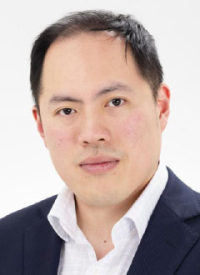
Dr Da Wei (David) Thong is a general surgeon with a colorectal focus based in Perth, Western Australia. He is currently a Colorectal Fellow and Visiting Medical Officer at St John of God Midland Hospital. His research focuses on practical questions arising from colorectal practice, including nodal disease following neoadjuvant treatment for rectal cancer, functional outcomes after rectal resection, and the feasibility of same-day discharge colectomy, which he is the principal investigator of at St John of God Midland Hospital and Royal Perth Hospital. His recent first-author work appears in the Journal of Gastrointestinal Oncology, ANZ Journal of Surgery, the Journal of Surgical Oncology, and Diseases of the Colon & Rectum. He also maintains an active minimally invasive and robotic technique research portfolio. Alongside clinical practice, he remains involved in collaborative research, peer review, and surgical education, with the aim of producing evidence that is useful in everyday patient care.
Dr. Thong believes that academic writing converts observations and research findings into knowledge that can be examined, challenged, and built upon by others. In clinical practice, physicians frequently recognise patterns or encounter outcomes that raise important questions. Unless these observations are studied and communicated systematically, they remain individual experiences rather than reliable evidence. Writing is also part of the scientific process itself. Explaining a study clearly requires researchers to define their question, justify their methods, interpret their findings carefully, and acknowledge the limitations of their data. This can expose assumptions or weaknesses that were less apparent during analysis. Peer review provides further scrutiny before the findings enter the literature. For clinicians, academic writing connects bedside experience with evidence-based practice. It allows useful findings to be shared beyond one institution, while uncertain or negative findings can be tested and refined by others.
According to Dr. Thong, clinical work has fixed demands, whereas writing is important but easily postponed. He has learned not to wait for a completely free day, because such opportunities are uncommon. Instead, he divides each paper into smaller tasks, such as reviewing the literature, refining a table, drafting a section, or responding to reviewers, and completes them around his clinical commitments. He also maintained an active electronic task list to help keep his focus in check. He keeps his research closely connected to clinical practice. Many projects begin with questions arising from patient care, operative experience, or institutional data. This keeps the research relevant and allows clinical and academic work to complement each other. Collaboration is equally important. Sharing responsibilities with colleagues and trainees helps maintain progress during demanding periods. He also chooses focused, answerable questions. A modest study completed and communicated well is more useful than an ambitious project that never reaches publication.
Dr. Thong indicates that applying for Institutional Review Board approval in Australia is generally undertaken through a Human Research Ethics Committee. Its primary purpose is to protect participants by independently assessing whether the potential value of a study justifies its risks, whether consent is appropriate, and whether personal information will be handled responsibly. Ethics review also establishes accountability. Researchers may not recognise every concern within their own projects. Independent review helps ensure that participant welfare remains more important than recruitment or publication outcomes. Beginning research without required approval may expose participants to unjustified risks and breach institutional, professional, or legal obligations. The data may be unusable, and journals will generally reject research conducted without appropriate oversight. Some audits and low-risk projects may qualify for an exemption or waiver, but this must be formally determined by the institution rather than assumed by the researcher.
(by Sasa Zhu, Brad Li)
Kenneth H. Yu
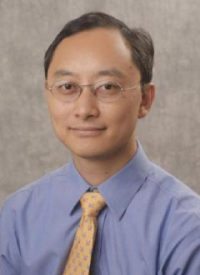
Dr. Kenneth H. Yu is a medical oncologist and translational researcher specializing in gastrointestinal malignancies, with a focus on pancreatic adenocarcinoma. He is an associate professor of medicine at Memorial Sloan Kettering Cancer Center. His research focus includes conducting clinical trials of new and innovative therapies, developing effective biomarkers for early detection of cancer and for guiding therapy, and studies to better understand cancer biology and drug resistance. He has been fortunate to participate in and witness several groundbreaking studies that will transform the treatment of pancreatic cancer in the coming years, such as personalized vaccines and RAS-targeted therapies.
Dr. Yu believes that the purpose of academic writing is to contribute to the collective knowledge of researchers. Ideally, the focus should be on synthesizing high-quality evidence. While personal style and opinion hold significance, it is crucial to distinguish between opinion and facts. For original research, it is important to pursue questions important to the researcher and the field, and to try to answer them rigorously. When communicating research, clearly spelling out the question, the results, the strengths, and the weaknesses of the research are all important.
In Dr. Yu’s opinion, academic writing enables researchers to share their expertise and knowledge with others in the field, making it a vital part of academic research. Not only is it important for disseminating research findings, but it is also an important part of securing research funding, such as federal grants. The synthesis of results and experiments is critical for gaining insights and identifying the next set of unanswered questions to pursue.
Dr. Yu thinks that, although humans often have good intentions, conflicts of interest can unintentionally affect the interpretation of results. Hence, it is crucial for researchers to disclose any conflicts of interest in their work. Diluting any real or perceived conflicts is critical, such as having unconflicted collaborators perform critical analyses and review results. Fortunately, these safeguards are in place with regard to clinical research.
(by Sasa Zhu, Brad Li)
Koji Takahashi
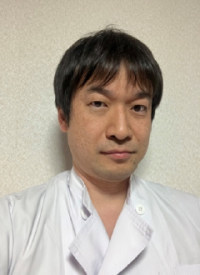
Dr. Koji Takahashi serves as Chief Physician in the Department of Gastroenterology at Eastern Chiba Medical Center, Chiba, Japan. He received his M.D. from Oita University Faculty of Medicine and completed his Ph.D. at Chiba University Graduate School of Medicine and Pharmaceutical Sciences. He previously held the position of Assistant Professor of Medical Oncology at Chiba University Hospital. Board-certified and qualified as a supervising doctor in gastroenterology, hepatology, and endoscopy, he brings substantial clinical and academic experience in advanced diagnostic and therapeutic gastrointestinal endoscopy, with particular emphasis on ERCP, EUS, and peroral cholangioscopy. His day-to-day practice centers on endoscopic management of pancreatobiliary disease, while his research concentrates on clinical investigations of the biliary tract and pancreas. Current funded work includes genomic analysis of pancreatobiliary maljunction and investigation of the mechanisms driving cholangiocarcinoma arising from primary sclerosing cholangitis.
JGO: What do you regard as a good academic paper?
Dr. Takahashi: A good academic paper begins with a clearly defined and clinically meaningful question, and every subsequent element serves to answer it. The study design must be appropriate to that question, the methods described in enough detail to be reproduced, and the analysis suited to the data at hand. Equally important is honesty: the results should be reported transparently, including findings that run counter to the authors' expectations, and the conclusions must not stretch beyond what the data actually support. In clinical fields such as gastrointestinal endoscopy and pancreatobiliary medicine, I also value a paper that acknowledges its limitations candidly and situates its findings within existing evidence, so readers can judge how the work might—or might not—translate to their own patients. Finally, a good paper is written with clarity; a strong idea buried in confusing prose loses much of its value.
JGO: How to avoid biases in one’s writing?
Dr. Takahashi: The first step is to recognize that bias is difficult to eliminate entirely, which is why deliberate safeguards matter. I try to formulate my hypothesis and analysis plan before examining the outcomes, so that the interpretation is not quietly shaped to fit a preferred conclusion. When reviewing the literature, I make a point of engaging with studies that contradict my own views rather than citing only those that reinforce them, and I present opposing findings fairly. Being explicit about any conflict of interest and about the study's methodological limitations also protects the reader from being misled. I find it extremely helpful to have co-authors and colleagues from diverse backgrounds review my manuscript critically. They often identify assumptions that I may have overlooked. Most importantly, I strive to allow the data to dictate the narrative instead of crafting the narrative first and then choosing data to back it up.
JGO: Would you like to share some encouragement for academic writers dedicated to advancing scientific progress?
Dr. Takahashi: Academic writing can feel slow and, at times, thankless—manuscripts are rejected, revisions pile up, and progress is measured in small increments. I would encourage colleagues to remember that each carefully conducted study, however modest, adds a genuine piece to the collective body of knowledge and can ultimately change how we care for patients. Do not be discouraged by criticism; treat reviewers' comments as an opportunity to sharpen your thinking and strengthen your work. Stay curious about the questions that arise in your daily clinical practice, because those real problems often make the most valuable research. Persistence and honesty matter more than perfection. The effort you devote to writing clearly and rigorously is never wasted, even when the path is difficult. I look forward to learning from the contributions of researchers everywhere, and I wish you continued success in your work.
(by Sasa Zhu, Brad Li)